Legal requirements for a short-term rental in Portugal, step by step

In our previous article we went through the steps for the comunicação prévia — the notification you are obliged to file before your property can start operating as an Alojamento Local (AL), Portugal's licensed short-term rental scheme. Ten days later your licence number comes through, but there are other things to attend to. Here we look at the legal requirements and how to prepare for an inspection by the town council.
Registration complete and the council has approved it, with your AL number issued? Congratulations.
Now let us get you ready for the council inspection, which in practice varies from one council to another and in some cases may not happen at all. Better to be prepared either way. Here is everything you need to have in place:
1. The AL plaque
Obtain the AL plaque. Displaying it is compulsory under every category except Moradia (a standalone house).
2. The complaints book
Obtain the complaints book and display the front sheet somewhere visible. When you buy it, sign up to the electronic complaints book as well, which has been compulsory since December 2019.
3. The safety kit
Obtain the compulsory safety kit for your property, sized to the property, the number of guests and the number of floors. It has to contain a first aid box, a fire extinguisher with its bracket, a fire blanket, and the required signage — both for the items above and for the national emergency number 112, along with a no-smoking notice.
4. The house manual
Put together a house manual for the property. It has to be written in four languages and should cover safety, basic information about the property, the rules of the house and of the building, practical details and instructions, local tips, how to deal with the rubbish and recycling, important contacts, and anything else you think your guests will find useful.
Those are the specific requirements you need to meet. In short, a holiday rental has to feel safe, comfortable and trustworthy to the people staying in it, which is precisely why all of this is required.
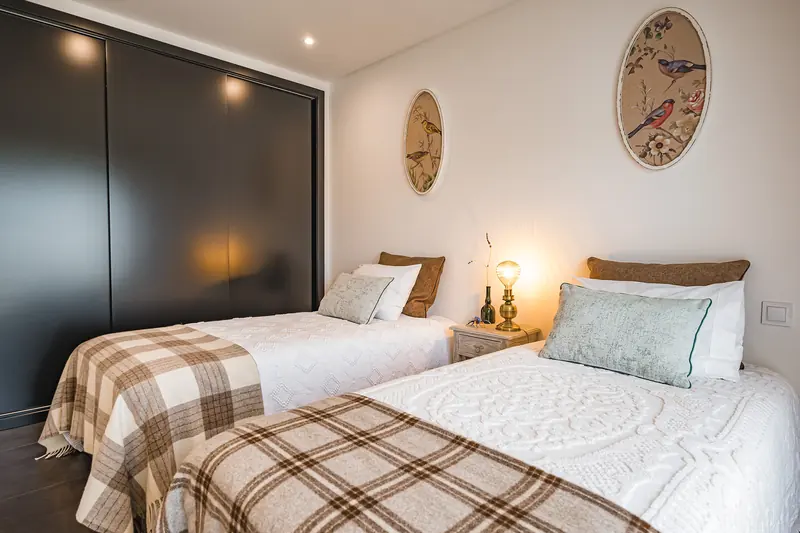
There are other things a council inspection may look at, including ventilation, the size of the bedrooms, whether the stated occupancy is correct, and whether the furniture is adequate.